

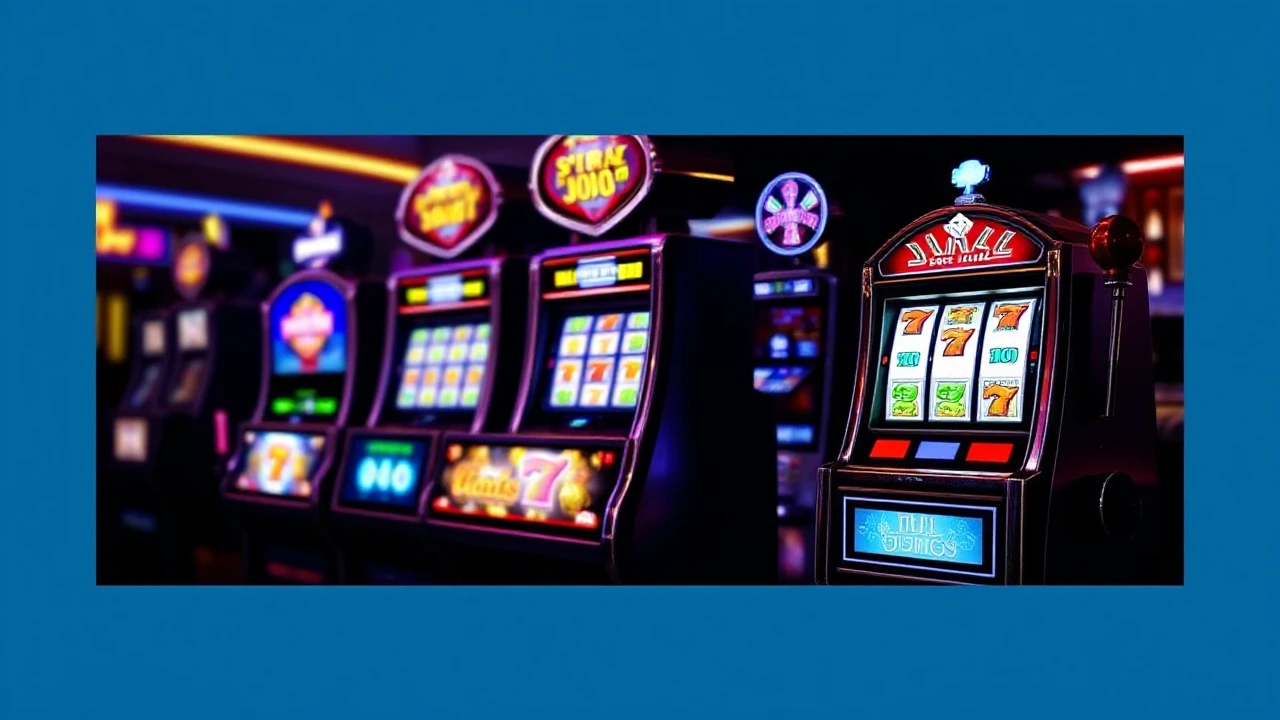
In the realm of betting, gaming houses have mastered the art of captivating players through careful slot machine design. The bright lights and alluring melodies create an environment that is both thrilling and addictive. But what is the psychology behind these features, and how do they contribute to the development of gambling addiction? Kqbd
Understanding the Science Behind Slot Machine Design
Slot machines are not merely simple entertainment; they are carefully crafted to take advantage of the mental inclinations of players. One key element of slot design is the concept of almost winning. When players nearly win, it triggers a response in the brain that is similar to actual winning, stimulating them to keep playing.
Understanding Visual Signals
The visual elements of slot machines play a crucial role in their effectiveness. Vibrant colors and moving graphics attract players' attention and create a sense of excitement. Additionally, the placement of symbols on the reels is strategically done to enhance the anticipation and thrill of each spin.
Influence of Sound Effects
Sound also plays a significant role in slot machine design. Melodic tunes and ringing sounds are carefully selected to create a positive emotional response in players. These sounds trigger the brain's pleasure centers, strengthening the addictive nature of the game.
Deciphering the Emotional Factors of Addiction
Slot machine addiction is not solely about winning money; it is deeply rooted in psychological factors. The excitement of winning, the break from reality, and the desire of hitting the jackpot all contribute to the addictive nature of gambling.
Impact of Reinforcement Systems
Slot machines are designed with integrated reward systems that reinforce addictive behavior. Intermittent reinforcement, where players are rewarded at unpredictable intervals, is particularly powerful in keeping them engaged. This creates a cycle of chance and reward that is hard to break.
The Role of Social Engagement
Furthermore, the community aspect of gambling plays a significant role in addiction. The feeling of belonging to a community and the thrill of sharing wins and losses with others can intensify the addictive behavior.
In the world of gambling, the house always wins.
Escaping from Slot Machine Addiction
Breaking free from slot machine addiction requires recognition and willpower. It is essential to look for support from loved ones or professional counselors and to limit access to casinos. Additionally, finding substitute forms of entertainment and engaging in healthy activities can help channel the addictive behavior.
- Reach out to peer networks for assistance.
- Establish strict boundaries on gambling behavior.
- Explore new hobbies and interests to divert your mind.
In conclusion, the psychology behind casino slot design and addiction is a complex interplay of cognitive biases, emotional responses, and social influences. By understanding these factors, individuals can make informed decisions and take steps towards breaking free from the grips of gambling addiction.
Keep in mind, seeking help and making changes are the first steps towards a healthier and more fulfilling life. Seize control of your destiny and break free from the cycle of addiction today.